Epigenetics is one of the most exciting areas of modern science because it helps explain why people with similar DNA can live very different lives. Your genes are like a blueprint, but epigenetics controls how that blueprint is used. It does not rewrite your DNA. Instead, it changes how active certain genes are based on internal and external factors.
For readers of 2HGamma, this topic is important because it connects science with everyday habits such as eating, sleeping, exercising, and stress management.
What Is Epigenetics?
Epigenetics refers to changes in gene activity without changing the DNA sequence itself. In simple terms, your genes may stay the same, but the way they are used can change over time depending on signals from the body and the environment.
The word epigenetics was first introduced in 1942 by British biologist Conrad Waddington. He used the term to describe how genes interact with their surroundings during development to create different traits. At that time, scientists still knew very little about DNA compared with what we know today. Waddington wanted to explain how a single fertilized egg could develop into many specialized cells such as skin cells, muscle cells, and brain cells. Even though these cells contain the same genetic code, they behave in completely different ways.
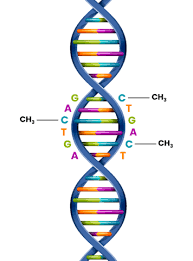
His idea helped build the foundation of modern epigenetics.Later, during the 1970s and 1980s, researchers discovered important molecular mechanisms such as DNA methylation, where small chemical tags attach to DNA and help control gene activity. These discoveries gave scientists physical evidence that gene regulation could happen beyond the DNA code itself.As technology improved in the 1990s and 2000s, epigenetics became one of the fastest-growing fields in biology. Scientists began linking epigenetic changes to aging, cancer, metabolism, stress, memory, and environmental exposure.
Today, epigenetics helps explain why two people with similar genes can experience different health outcomes. It also shows that genetics is not a fixed destiny, because lifestyle and environment may influence how genes are expressed throughout life.
How Does Epigenetics Work?
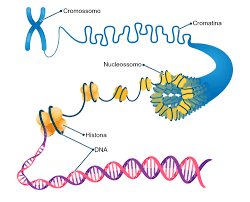
Epigenetics works mainly through chemical tags and structural changes around DNA. Two of the best-known processes are DNA methylation and histone modification. DNA methylation happens when small chemical groups attach to DNA and reduce the activity of certain genes. Histone modification changes how tightly DNA is wrapped, making genes easier or harder to access. You do not need to remember the scientific names to understand the idea: your body has a control system that manages which genes are active at the right time.
This system is essential for normal growth, repairing cells, responding to stress, and adapting to new conditions.
Can Food Affect Your Genes?
Yes, nutrition can strongly influence epigenetic activity. The body uses nutrients from food to create and maintain many of the chemical signals involved in gene regulation.Foods rich in folate, vitamin B12, choline, and antioxidants may support healthy cellular processes. Leafy greens, eggs, berries, nuts, seeds, and colorful vegetables are often mentioned in research for their nutritional value.For example, antioxidants help reduce oxidative stress, which may protect cells from damage. Omega-3 fats may also support healthy inflammation responses.
Meanwhile, diets high in sugar, trans fats, and ultra-processed foods may negatively affect metabolic pathways over time.This means food is not only fuel. It can also act as information for the body.
Stress and Epigenetics
Stress is a normal part of life, but chronic stress can create long-term biological effects. When stress remains high for long periods, the body continues releasing hormones like cortisol and adrenaline.Over time, this may influence gene expression linked to inflammation, immune function, sleep cycles, and mental health.Research suggests that ongoing stress during childhood or adulthood may leave measurable epigenetic marks in some cases.
The good news is that stress management can help. Activities such as meditation, breathing exercises, spending time in nature, journaling, exercise, and strong social support may improve resilience.Small moments of recovery matter more than many people think.
Exercise and Gene Expression
Physical activity is one of the most powerful lifestyle tools for supporting healthy gene expression. Exercise sends signals throughout the body that can improve how cells produce energy and manage inflammation.Studies show movement may positively affect genes related to metabolism, insulin sensitivity, heart health, and muscle growth.This does not mean you need intense training every day. Walking, cycling, resistance training, swimming, or even daily stretching can be beneficial when done regularly.Consistency is usually more important than perfection. A simple routine maintained for months often creates better results than extreme workouts done only occasionally.
Can Epigenetic Changes Be Passed On?
Some researchers believe certain epigenetic changes may be passed from parents to children. This area is called transgenerational epigenetic inheritance.For example, scientists have studied how famine, severe stress, or environmental exposure in one generation may affect health patterns in future generations.This field is still developing, and many questions remain unanswered. Not every epigenetic change is inherited, and human biology is highly complex.Still, the idea is important because it suggests our choices and environment may have effects beyond our own lifetime.
Why Epigenetics Matters Today
Epigenetics matters because it changes the old belief that genes alone determine health outcomes. Genetics can increase risk or create tendencies, but lifestyle may influence how those risks are expressed.This is especially relevant for modern issues such as obesity, diabetes, heart disease, burnout, poor sleep, and mental health challenges.It also supports a more balanced message: while we cannot control every factor, we often have more influence than we realize.
Daily habits may not change DNA, but they can change how the body responds.
Final Thoughts
Epigenetics shows that biology is dynamic, not fixed. Your body constantly responds to what you eat, how you sleep, how much you move, and how you handle stress.That means small positive actions repeated over time can matter greatly. Better sleep, healthier meals, regular movement, and emotional balance may support better long-term health.
Science continues to learn more every year, but one message is already clear: your lifestyle choices are powerful.For more science, wellness, and future-focused content, keep following 2HGamma.